
Emergency Dentist — Woodbridge, CT
Compassionate Care at a Moment’s Notice

No one ever expects to need emergency dental care, but if you are experiencing severe dental pain or a broken tooth, the last thing you want to do is waste time searching for an emergency dentist near me online. To make sure you never find yourself in such a situation, save New Haven Dental Group’s number in your phone right now. If you ever need urgent dental care, give us a call right away. We are ready and able to accept patients for emergency dentistry in Woodbridge, CT, often on a same-day basis. For compassionate care at a moment’s notice, you can count on New Haven Dental Group.
Why Choose New Haven Dental Group for Emergency Dental Care?
- Decades-Long History of Serving Local Families
- Same-Day Appointments Available for Emergency Patients
- Able to Handle a Broad Range of Dental Emergencies On-Site
How We Treat Dental Emergencies

Although dental emergencies can be frightening, it is important that you maintain a level head. Taking fast, appropriate action can stop a dental emergency from worsening and help to ease your pain as quickly as possible. You should call us as soon as your dental emergency begins. From there, here is how you can typically expect us to handle your dental emergency:
- We will schedule you a same-day appointment: We save room in our schedules in order to be able to see emergency patients the same day they call us.
- We will provide you first-aid instructions: Our team will evaluate your situation over the phone and give you first-aid guidance to manage your symptoms until you can reach us.
- You will get an emergency exam with one of our dentists: Your Woodbridge emergency dentist will see you right away to relieve any serious pain and evaluate your mouth.
- We will review the findings with you and make a treatment plan: Your dentist will review their findings with you, fully explain your treatment options, and work with you to create a custom treatment plan.
- You will receive the fast, professional care you need: Our team of professionals offers a wide range of treatments using the latest dental technology to help address your dental emergency quickly and get you back to enjoying a happy, healthy, and pain-free smile.
The Most Common Dental Emergencies
Whether your dental emergency stems from an accident that happened in the blink of an eye or an infection that took multiple months to develop, the best thing to do is seek out professional care as soon as possible. When you give us a call, we can give you personalized guidance on what steps you should take to manage the situation until you can reach us. Below, you’ll find some important information on a few of the most common dental emergencies we treat here at New Haven Dental Group.
Understanding the Cost of Dental Emergencies
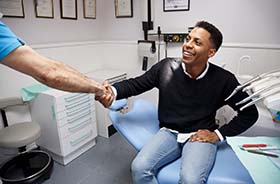
There are many different types of dental emergencies, and because of this, there is no fixed price for urgent dental care. One patient might just need a prescription to relieve their pain, while another may require root canal therapy and a crown. When you visit us for emergency care, we will provide you with a personalized estimate for the cost of your treatment.
Every Dental Emergency Is Unique
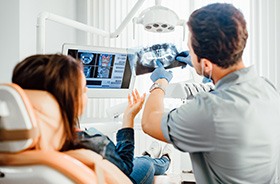
Before we can provide treatment, we will have to examine your mouth in order to understand the problem. This initial evaluation is usually inexpensive. Following it, we can recommend treatment.
One patient might need something as simple as some antibiotics or a filling. Another might need more extensive care, such as root canal therapy, a crown, or an extraction. All these services incur different fees, which can vary depending on the details of each procedure.
You can expect our team to provide a transparent cost estimate that accounts for all the relevant factors in your unique case.
Does Dental Insurance Cover Dental Emergencies?
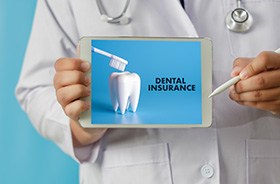
Very often, dental insurance policies completely cover the cost of one emergency exam each year. They also commonly provide 50 – 80% coverage for the treatments used in emergency care. (For example, a filling or non-surgical extraction might be 80% covered, whereas crowns and root canal therapy are often 50% covered). Our team welcomes insurance, and we can help you figure out how your benefits apply and how you can keep your out-of-pocket expenses to a minimum.
Other Options for Making Dental Emergencies Affordable

Insurance is just one provision that might make it easier to afford your emergency care. Other potential aids include:
- Our team works with CareCredit and Sunbit to provide low-interest payment plans for qualified patients. The application process is fast, and most people are quickly approved for a monthly payment amount that fits their budget.
- Essential Dental plan. Designed for patients without insurance, this discount plan provides reduced fees on most of the services available in our office. Signing up is easy, and you can start to use your benefits right away.
Taking Care of Your Smile Can Save You Money
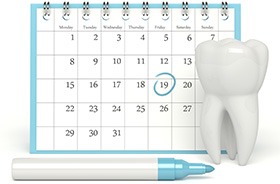
We understand that many families are more budget-conscious than ever, but remember that taking care of your smile is worth it! You should seek care at the first sign of a dental problem; most issues gradually worsen with time, so the sooner you receive treatment, the less invasive (and less expensive) the solution is likely to be. For example, it might cost a few hundred dollars to get a small filling, but if the decay becomes severe, the total bill could amount to thousands of dollars.
Also, be sure not to neglect routine cleanings and checkups. These appointments are relatively affordable (and often completely covered by insurance). They can allow us to identify problems and propose a treatment plan before minor issues develop into a major emergency.
Do you have questions about emergency dentistry and its cost? Reach out to our Woodbridge team today. We will be happy to speak with you!
How to Prevent Dental Emergencies

As an emergency dentist in Woodbridge, our team is ready to help you if you ever encounter a dental emergency. However, we are sure that you would prefer to avoid such a situation in the first place! With a few proactive steps, you can significantly reduce your risk of running into a painful and urgent oral health problem. What specifically should you do? Here are some practical tips:
Visit Your Dentist Regularly

When you regularly visit our team for routine checkups and cleanings, you allow us to monitor your oral health and catch potential issues before they become emergencies. For example, we can identify early signs of decay, gum disease, and teeth grinding, and we can provide appropriate treatment before such issues start to cause you pain. Thorough dental cleanings remove harmful plaque and tartar that might otherwise lead to cavities or an infection.
Stick to Good Oral Hygiene Habits at Home

Practicing thorough oral hygiene at home is one of the most effective ways to protect yourself from dental emergencies. Brush your teeth twice daily and floss every day to remove food particles and bacteria that can cause decay and gum disease. You should also sip plenty of water and consider using a mouthwash as well. If you have questions about how to optimize your oral hygiene routine, ask our team.
Be Mindful of What You Eat

Pay close attention to the foods you consume, since your choices can either support or undermine your oral health. Limit your intake of sugary snacks and acidic beverages, which can erode enamel and promote decay. You should also be very careful with hard foods or items that have hard parts, such as bone-in meats or popcorn. Try to center your diet on nutritious foods that strengthen teeth and gums, such as dairy products, fresh fruits, and vegetables. Making healthy dietary decisions plays a significant role in reducing your risk of unexpected dental emergencies.
Wear a Mouthguard for Sports and Sleeping

If you participate in contact sports or grind your teeth while sleeping, wearing an appropriate mouthguard is a smart preventive measure. A properly fitted mouthguard protects your teeth from trauma, fractures, and chips during physical activities. It also shields your teeth from the damage caused by nighttime grinding. Ask our team about how you can get a custom mouthguard; custom ones from a dentist tend to be more comfortable and effective than any that can be purchased over the counter.
Do Not Use Your Teeth as a Tool

Avoid the temptation to use your teeth to open packages, bite your fingernails, or cut objects. Such habits can cause cracks, chips, or even dislodge teeth. Treat your teeth with care and use appropriate tools for tasks instead. By refraining from these risky behaviors, you greatly decrease the chances of experiencing a dental emergency that requires immediate professional attention.
Dental Emergency FAQs

Our Woodbridge dental team is ready to provide compassionate and top-quality care when you are in urgent need of our services. Before you save our number in your phone, though, you may want to learn more about dental emergencies and how to handle them. Below, you will find some practical information. If your specific concerns are not addressed here, give us a call. We will be happy to take a moment to speak with you.
Will My Toothache Go Away on Its Own?
Teeth cannot heal themselves, so your toothache is unlikely to go away without professional care. Indeed, the pain will probably worsen with time.
Of course, there are a couple of scenarios in which a toothache might unexpectedly disappear. For example, if the pain is coming from near a tooth, rather than the tooth itself, the pain might subside as your body heals. This can happen if a sinus infection is placing pressure on your teeth or you have a minor gum injury.
It is also possible for a toothache to disappear if the nerve inside the tooth dies. This is not a good thing. The infection that killed the nerve could still be present. It may continue to cause damage. It could even lead to systemic illness.
How Should I Sleep with Tooth Pain?
Dental pain is one of the most frustrating types of discomfort, and it can often be worse at night. Here are some tips that might help you get some rest:
- Keep your head elevated to prevent blood from rushing to the area.
- Take an over-the-counter pain medication.
- Apply a cold compress before bed. (Do not fall asleep while applying ice. Overexposure to cold can cause tissue damage.)
- Do not eat spicy, crunchy, or tough foods before bed.
Should I Visit the Emergency Room First for Dental Emergencies?
Most hospital emergency rooms are not equipped to handle toothaches and other common dental problems. They might do little more than tell you to visit your dentist when you can. In some cases, they might also provide pain medication.
Of course, there are some instances when you should visit the hospital ER. If you believe your jaw is broken or dislocated, you have a dental infection that is causing a high fever or limiting your ability to breathe, or if you are bleeding uncontrollably, the hospital should be your first stop. Later, our team can provide follow-up care.
Should Knocked-Out Teeth Be Placed in Water?
An avulsed (knocked-out) tooth can be rinsed off with water, but it should not be stored in the water. Water might damage the root surface cells of the tooth and reduce the chances that it can be splinted back into its socket.
Instead of storing the tooth in water, try to place the tooth in its original socket. Alternatively, you could place it in milk or a saline solution.
Will Pulling a Bad Tooth Stop the Pain?
When a tooth is damaged or infected, you experience pain because the nerve inside it is sending signals to your brain, letting you know that something is wrong. After that tooth is removed, the nerve is pulled out along with it. It becomes incapable of sending pain signals. Once you heal from your tooth extraction, your discomfort should be completely gone.
Keep in mind that even though a tooth extraction is an effective way to end a toothache, it is not a first-line treatment. If possible, we will try to relieve your discomfort and save your tooth, potentially via root canal therapy when you visit us as your emergency dentist in Woodbridge.
Can I Pop a Dental Abscess on My Own?
No, you should never attempt to pop a dental abscess on your own. Doing so will allow the bacteria in the abscess to spread, which could lead to additional irritation, pain, and dangerous infections.
Since an abscess is an urgent oral health problem, search for an “emergency dentist near me.” When you visit us, we will examine the abscess and determine the next steps based on your unique situation.
Do I Need to Go to The Dentist for a Small Chip in My Tooth?
A small chip in your tooth might not seem like a big deal. It might not even cause any pain! However, you should still seek professional care within a reasonable period of time.
Without treatment, the damage to the tooth could worsen. Plus, its jagged edges might irritate the soft tissues in your mouth. Our team can examine the tooth and let you know about your options. For example, we might advise that you get dental bonding to cover the chip and restore the tooth’s shape. If the damage affected the tooth’s interior layers, you might need additional treatment, possibly including root canal therapy.
How Long Can a Tooth Last After It Has Been Knocked Out of Your Mouth?
Time is of the essence after a tooth gets knocked out of your mouth; it may start to die witjin just 15 minutes. In order to maximize the chances that it can successfully be replanted, you should receive care within 30 minutes or so. However, there have been cases where teeth have been saved after as long as 1 – 2 hours.
Do your best to preserve the tooth by keeping it in your mouth or submerging it in milk or a tooth preservation solution. Keep it moist, and touch it only by its top portion. Your careful actions might just prevent you from having a new gap in your smile.
How Long Can I Go Without a Crown After It Falls Off?
If a crown falls off, the tooth underneath it will be vulnerable to additional harm. Therefore, even though you do not need to rush to our office immediately, you should give us a call and schedule an appointment for the near future. Getting the crown replaced within a reasonable period of time will reduce dental sensitivity and lower your risk of complications.
More to Explore
Preventive Dentistry Restorative Dentistry Dental Implants Cosmetic Dentistry Orthodontics View Our Services